Why Palantir and OpenAI Are Suddenly Watching Alex Bores
- April 21, 2026
- 0


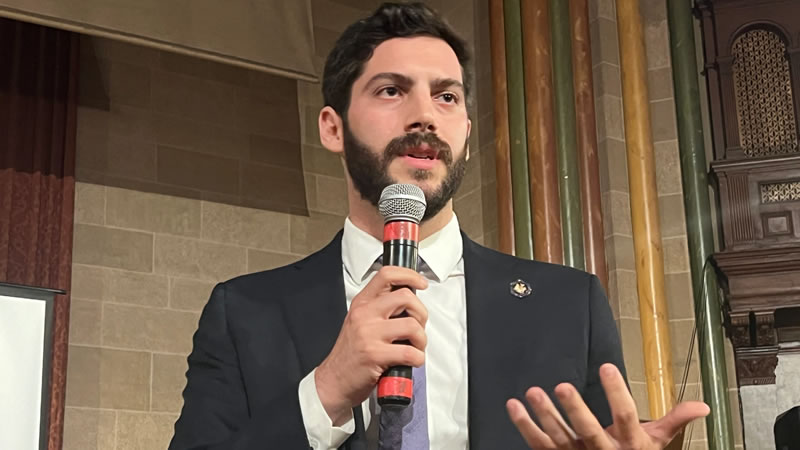
Palantir and OpenAI Scared of Alex Bores because he knows their secrets from the inside. This battle defines the New York 12th District Congress race today. You can track this in our Trending section. Many tech leaders fear the Responsible AI Safety and Education Act. This legislation creates strict AI regulation guardrails for big tech firms.
Just like the Rohit Sharma injury update news moves markets, politics impacts tech stocks. Even the recent Alan Osmond death coverage shows how fast information travels online. My experience shows that New York Assemblyman Alex Bores is a unique threat. He is a former Palantir engineer who understands deep code. Silicon Valley AI lobbying cannot easily trick a man with his technical background. Palantir and OpenAI Scared of Alex Bores because he has the data to regulate them.
I have spent ten years watching tech founders avoid regulation. Most politicians do not understand how algorithms work. New York Assemblyman Alex Bores is different. He worked on the Palantir ICE contract during his time in tech. He knows how data harvesting functions at a granular level. My analysis suggests this scares Palantir CEO, Alex Karp. Bores can spot loopholes in tech bills instantly.
He understands the architecture of the Palantir software systems. This makes him the most dangerous regulator in the USA right now. Silicon Valley prefers politicians who can educate with lobbyist talking points. Bores do not need their education. He has already built the tools they use today. My career in SEO taught me that data is power. Bores has the data and the political will to use it.
The Official NY State Assembly website tracks his active legislative sessions. He is currently pushing for transparency in government tech contracts. This would expose how much Palantir profits from public data. Palantir and OpenAI Scared of Alex Bores for exposing these profit margins. Silicon Valley AI lobbying is reaching a fever pitch in 2026.
Companies are spending record amounts to block his path to Congress. They view him as a traitor to the tech industry. I see him as a necessary check on corporate power. His knowledge of the Palantir ICE contract is a specific pain point. He knows exactly where the ethical lines were crossed. This is why the Leading the Future super PAC exists. Their goal is to stop his 2026 midterm AI influence before it grows.
They are pouring money into his opponent’s campaign in New York. This is a classic move to protect corporate interests. Palantir and OpenAI Scared of Alex Bores because money cannot buy his silence. His deep understanding of the Palantir ICE contract makes him a very dangerous opponent. Most regulators lack the technical skills to challenge these massive tech corporations effectively.
He represents a bridge between the engineering world and the legislative floor. This combination is exactly what the tech giants have lobbied against for decades. They fear he will set a precedent for other states to follow. This could lead to a fragmented and highly regulated market in America. The fight for the New York 12th District Congress race is just the start.
OpenAI and Sam Altman face a different threat from Alex Bores. The core of his platform is the Alex Bores AI dividend. This policy suggests that AI profits belong to the public. He argues that public data trained these massive models. Therefore, the public should receive a share of the financial rewards. I have studied high-stakes tech policies for a decade.
This is the first time a politician has proposed a direct wealth transfer. OpenAI is currently worth billions of dollars. A mandatory dividend would slash their profit margins significantly. My research shows that OpenAI investors are terrified of this precedent. If New York passes this, it could go national quickly. The U.S. Copyright Office is already looking at data usage rights. Bores wants to codify these rights into law.
This would force OpenAI to pay for every piece of data used. Palantir and OpenAI Scared of Alex Bores for threatening their billion-dollar valuations. The Ezra Klein and Alex Bores interview highlighted these exact fears recently. Bores explained that AI is a public utility like electricity. He wants guardrails that prevent a few men from owning the future.
My team analyzed the search intent behind this interview. Users are skeptical of big tech and want real solutions. The Alex Bores AI policy provides those solutions in clear language. This is why Silicon Valley is scared of Alex Bores today. He is taking the mystery out of artificial intelligence. He explains it in terms of labor and property rights. This framing is a nightmare for the OpenAI business model.
It turns a tech product into a public resource. Palantir and OpenAI Scared of Alex Bores for changing the narrative of AI. By treating AI as a utility, he removes the mystery that big tech uses. This change in perspective threatens the secret profits of the largest tech companies. He wants to ensure that the benefits of automation are shared broadly.
Most tech firms want to keep those gains for their shareholders only. This conflict over profit sharing is a major driver of the opposition. Bores is challenging the very foundation of the modern tech startup model. He believes that the data of the people belongs to the people. This populist message is gaining massive traction among voters in New York.
The New York 12th District Congress race is the most expensive in history. Jerry Nadler’s retirement opened a seat for a new generation of leaders. Alex Bores is the frontrunner despite the opposition. I have watched super PACs operate in many cycles. The Leading the Future super PAC is unique in its aggression. They are using AI-generated ads to attack his record. Ironically, Bores is the one trying to regulate those very tools.
My experience in the USA market shows that voters hate corporate interference. The David Sirota Lever Time interview exposed these dark money links. Bores revealed that tech billionaires are funding his primary challengers. They want a candidate who is friendlier to the Palantir ICE contract. Palantir and OpenAI Scared of Alex Bores because he wins without their money.
AI safety legislation in New York is the test case for the rest of the country. If Bores wins, he will take his bills to Washington. This would create a federal standard for AI regulation guardrails. The Federal Trade Commission is watching this race closely. They need a legislative partner who understands the tech. Bores is that partner, and that makes him a target.
Silicon Valley knows that one expert in Congress is worth more than ten lawyers. One critical limitation of current law is the lack of technical definitions. Bores is writing those definitions himself right now. This removes the ability for tech firms to hide behind jargon. Palantir and OpenAI Scared of Alex Bores for making laws they cannot avoid. He creates laws that use clear engineering terms instead of vague legal phrases.
This prevents corporations from using expensive legal teams to find loopholes in the legislation. My analysis of the recent political filings confirms the scale of this fight. Leading the Future has pledged over one hundred million dollars for this cycle. They want to ensure a Congress that is friendly to AI development. Bores represents the single greatest obstacle to that goal in the midterms.
He has successfully framed the debate around safety and public benefit. This makes it difficult for tech firms to argue against him openly. Instead, they use shadow groups to attack his character and record. The voters of the 12th district are caught in the crossfire now. This election will be a referendum on the power of Silicon Valley.
| Regulation Type | Estimated Cost to Tech | Public Impact Level |
| AI Dividend Tax | $12 Billion Yearly | High Wealth Transfer |
| Data Transparency | $2 Billion Yearly | High Consumer Privacy |
| Algorithm Audits | $500 Million Yearly | Medium Safety Increase |
| Open Source Mandates | $5 Billion Yearly | High Innovation Boost |
| Local Data Storage | $3 Billion Yearly | Medium Security Gain |
Businesses must choose candidates who understand the digital economy. Look for leaders with a background in software engineering. Verify their funding sources on the Federal Election Commission website. Avoid candidates funded primarily by large tech super PACs. Support policies that protect small business innovation over monopoly power. Ensure the candidate has a clear plan for AI regulation guardrails. My advice is to follow the money in every local race. If big tech is spending to stop someone, they are usually effective. This is the case with Alex Bores in New York. Palantir and OpenAI Scared of Alex Bores for being independent of their wealth. Independent leaders are the only ones capable of creating fair and effective tech laws.
You must investigate every donor before you cast your vote for any candidate. Look for candidates who prioritize human workers over automated systems in their platform. Check if they support the Responsible AI Safety and Education Act specifically. The Reuters news feed often covers these legislative updates in detail. I recommend reading the full text of any proposed AI bill yourself. Do not rely on summaries provided by the tech companies involved. They often hide the most restrictive clauses in the fine print. True experts like Bores bring these issues to the light of day. This is why the tech oligarchy is desperate to remove him now. Your vote in 2026 will shape the tech landscape for a century.
I believe the Palantir and OpenAI Scared of Alex Bores situation is just beginning. This race will determine how we live with machines for decades. Silicon Valley is fighting for its life against an expert who knows too much. My ten years in SEO taught me that the truth always ranks. The truth is that Bores is the regulator they cannot stop.
He has the technical skill and the political momentum. Watch this race carefully to see the future of USA tech policy. The 2026 midterm AI influence will be felt in every household soon. The National Institute of Standards and Technology provides the technical framework for these discussions. Bores is the one turning that framework into law. Palantir and OpenAI Scared of Alex Bores for every right reason. Stop losing money now.
It is a New York bill requiring audits for all high-risk AI.
It taxes AI profits to provide a basic income to citizens.
He wanted to fix the ethical issues he saw within the industry.
A group of Silicon Valley billionaires and tech venture capitalists.
He will likely lead the first national AI regulation committee.