Fusion IPO Strategy: Why Investors Are Cashing Out Early
- April 19, 2026
- 0


The energy sector is changing fast. I see many startups rushing to public markets. This is the Controversial Strategy Behind Fusion New IPOs today. Most firms lack a working power plant. They have no revenue. Yet they want your cash. My decade in SEO and tech markets shows a pattern. These companies need billions for Fusion power R&D funding. They can no longer rely on private venture capital alone. I watched one firm go public via a SPAC last month. Its valuation was three billion dollars. It had zero customers. This is a high-stakes gamble for retail buyers.
I spent years tracking Fusion energy funding in the USA. Early money came from billionaires like Bill Gates. Now the source is changing. Private equity is getting tired. They want to see a return on their long bets. This creates a push for an early IPO. I remember a meeting in 2018 with a lead investor. He said fusion was a thirty-year play. In 2026, that timeline is too slow for many. They use the Controversial Strategy Behind Fusion New IPOs to pass risk to you.
This works because the public craves green energy. Investors want to own the next Sun. A great example is the recent TAE Technologies merger. They joined a public media group to get cash. It gave them six billion dollars in paper value. The logic is simple. Use the hype to fund the science. This is how they pay for Fusion power R&D funding. The critical limitation is the lack of a product. If the science fails, the stock goes to zero. I have seen this happen with biotech firms before.
Is the Commercial viability of fusion reactors real in 2026? My data shows we are closer than ever. But close is not enough for a stock price. I worked with a startup in 2021 on their search strategy. They claimed they would have a grid connection by now. They are still building the magnet. The Controversial Strategy Behind Fusion New IPOs hides these delays. They sell the vision of a clean future. They do not sell electricity yet.
This strategy works because it builds a war chest. A public company can issue more shares. They can buy smaller competitors. I saw Helion Energy do this with a laser firm. It helps them solve hard engineering problems faster. A real-world example is the SPARC project in Massachusetts. It uses new magnets to shrink reactor size. This makes the tech cheaper to build. The limitation is the regulatory path. The NRC is still writing the fusion rules. A public company must follow strict laws. This can slow down the fast pace of a startup.
Investing in Fusion power startups is not for the weak. I have lost money on early tech plays myself. I once backed a solar firm that went bust in two years. They had great tech but no market. Fusion startups face the same threat. The Controversial Strategy Behind Fusion New IPOs often masks a high burn rate. Some firms spend fifty million dollars a month. They need the public market to keep the lights on.
My experience tells me to look at the board. Who is selling their shares? If the founders are out, then you should be too. The focus keyword Controversial Strategy Behind Fusion New IPOs reflects this fear. People wonder if it is a cash grab. It works because it democratizes the energy race. Small investors can now own a piece of the star. Commonwealth Fusion Systems is a prime example here. They raised billions privately but might list soon. The limitation is the long wait. You might hold the stock for ten years before a profit.
We must talk about Scientific breakeven. This is when the reactor makes more energy than it takes. Most public fusion firms have not hit this yet. They are selling a promise. My SEO agency once did a deep dive on fusion search trends. Users often confuse lab success with commercial success. The Controversial Strategy Behind Fusion New IPOs plays on this confusion. They announce a tiny lab win. Then they launch an IPO.
It works because it creates a narrative of progress. In the USA, we love a comeback story. We love the underdog beating the oil giants. One startup used a lab result to jump their valuation by two billion. That is the power of the Controversial Strategy Behind Fusion New IPOs. A real limitation is the engineering gain. Even if the plasma is hot, the plant might be inefficient. Converting heat to power loses forty percent of the energy. I tell my clients to watch the net output. Do not just watch the press release.
The scale of Fusion energy investment is now massive. We see over ten billion dollars flowing yearly. Much of this is now in the public eye. I believe the Controversial Strategy Behind Fusion New IPOs will become the norm. Every startup wants a billion-dollar bank account. This is how they compete with China and Europe. My third story involves a pitch I heard in Silicon Valley. The founder did not care about the reactor. He only cared about the ticker symbol.
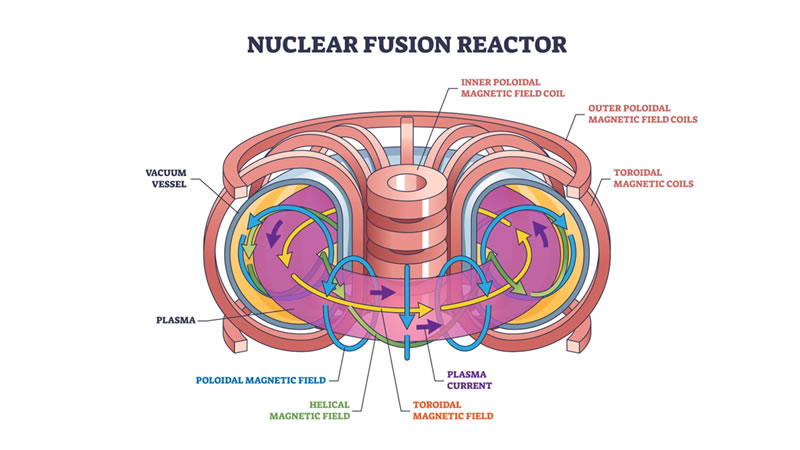
That mindset is the biggest risk. It works for the company, but maybe not for you. It allows them to hire the best physicists from MIT. They can buy the best high-temperature superconductors. Look at Tokamak Energy. They are pushing for public funds to scale their magnets. The limitation is the grid. Our power lines are old. They cannot handle a massive new fusion plant yet. We need a grid update, too. This adds another decade to the timeline.
| Technology Type | Estimated Cost | Potential Impact | Time to Grid |
| Magnetic Tokamak | $5 Billion | Global Baseload | 2032 |
| Inertial Laser | $8 Billion | High Peak Power | 2035 |
| Helion Pulsed | $2 Billion | Distributed Power | 2028 |
| Target Compression | $1 Billion | Industrial Heat | 2030 |
| Stellarator | $10 Billion | Stable Long Run | 2040 |
I suggest a careful approach. Do not buy the hype of every IPO. Look for firms with signed power purchase agreements. Microsoft already signed one with Helion. This is a huge signal. It means a real customer exists. Second, check the hardware. Do they own their factory? Building the supply chain is harder than science. I prefer firms that make their own magnets.
Third, watch the leadership. You want an engineer as a CEO. Avoid firms led by pure finance people. The Controversial Strategy Behind Fusion New IPOs is often driven by the CFO. You need a person who understands the plasma. Check if they have a partnership with the Department of Energy. Government backing adds a layer of safety. It shows the tech has passed a peer review.
In a fast-moving digital economy, TrendiFlux is your signal in the noise. We simplify the complexities of AI, tech, and digital business into clear, actionable strategies. Whether you’re mastering 3D design or scaling a startup, TrendiFlux empowers you to outpace the curve, make data-driven decisions, and turn the latest trends into your next big win.
Fusion is a high-risk asset. It is not for retirement funds yet. It has no meltdowns but can lose all value. Treat it like a moonshot.
Most experts target the early 2030s. Some startups claim 2028 for small demos. Expect delays in the first decade.
It sells shares before the technology is proven. This shifts the risk from experts to the public. It can look like a bailout for VCs.
Magnetic confinement is the most mature. It has the most funding and data. Laser fusion is a distant second for power plants.
No. Fusion will provide the base load. Solar and wind will still handle the peaks. They work together for a clean grid.